

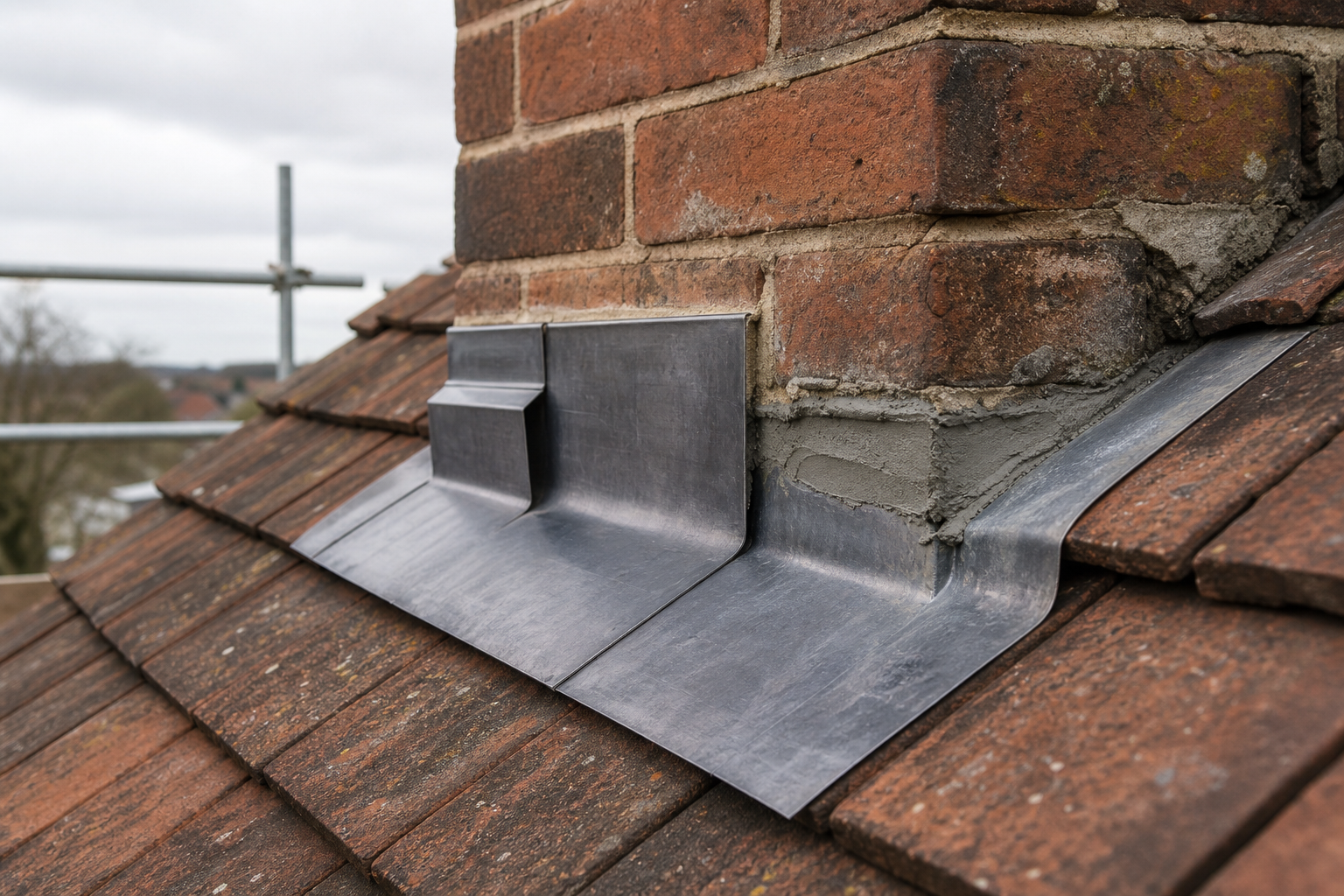
Leadwork repairs with proper roof context
Key junction knowledge
We focus on the roof details where leadwork most often starts leaking.
Repair or renew honestly
Advice is based on condition, movement and repeat leak history.
Adjacent areas checked
Nearby coverings are inspected so the leak path is understood fully.
Leadwork repairs that tackle the weak point
Leadwork sits at some of the most vulnerable points on a roof, including chimneys, wall junctions, valleys and other areas where water needs careful direction. When that detail fails, leaks can begin even if the main roof covering still looks sound. At Young's Roofing and Conversions, we inspect domestic leadwork in Dartford for common problems such as splits from movement, lifted edges, poor laps, failed fixings and cracks where lead meets tiles, slates or masonry. That lets us judge whether a local repair can restore a watertight seal or whether the affected detail is too far gone and needs renewing more fully.
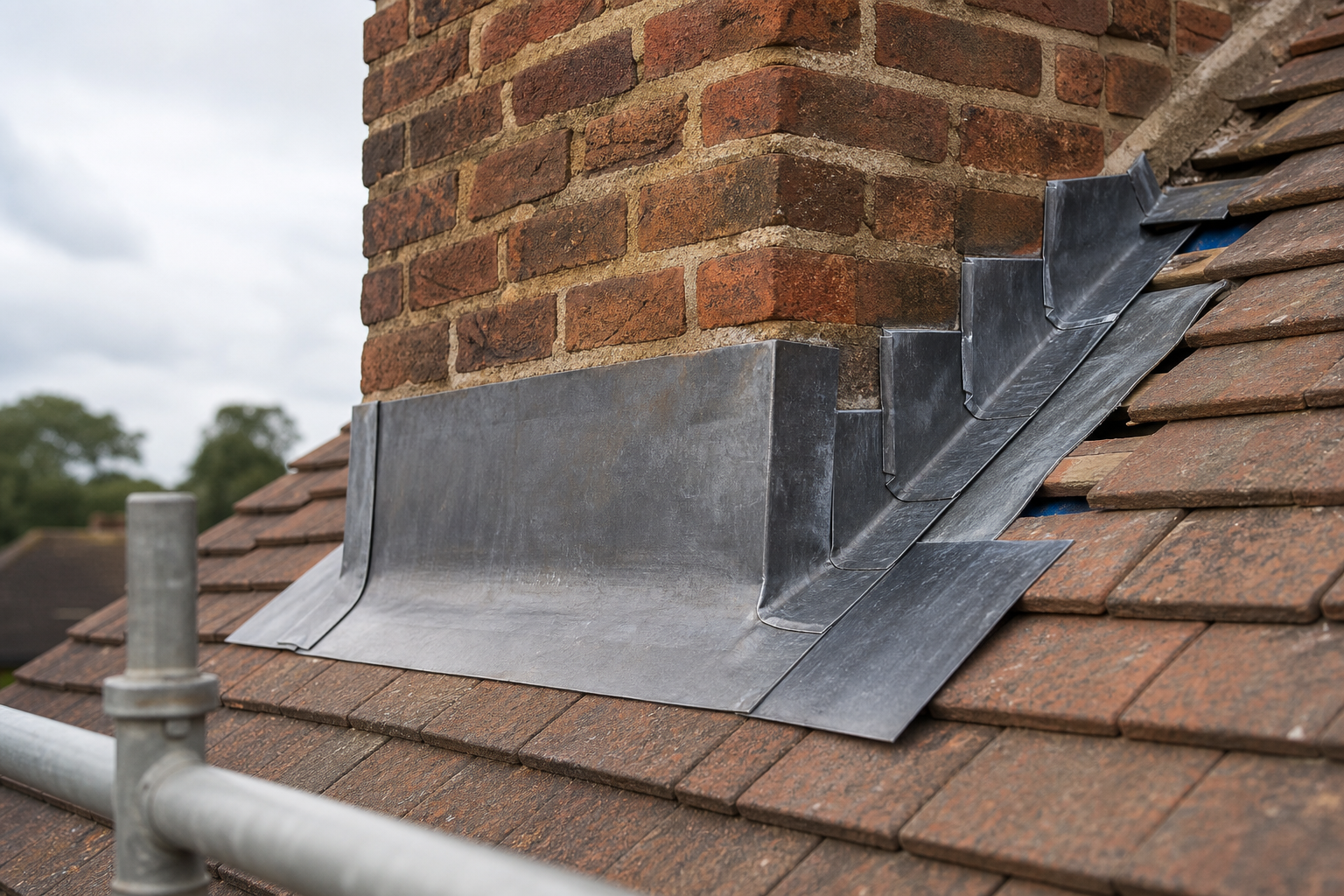
Repair where possible, renew when it is sensible
A good leadwork repair is about more than applying a quick patch. We trace the water path, check the adjacent coverings and then remove, re secure or replace the affected lead detail as needed to protect the roof properly. Access, height and how much of the junction needs opening up all play a part in the plan. With Young's Roofing and Conversions, the wider roof repair picture is also considered, so if faulty guttering or roofline wear is helping water behave badly nearby, we explain that too. You get practical guidance built around the actual condition of the roof, not guesswork.
Frequently asked questions
What parts of the roof usually need leadwork repairs?
The most common areas are chimney flashings, roof to wall junctions, valleys and other vulnerable details where lead directs water away. These points see a lot of movement and weather exposure, so they are often where leaks begin when the roof covering itself still appears sound.
Can cracked or lifted flashing be repaired?
Sometimes, yes. If the defect is local and the surrounding lead detail is still sound, a targeted repair may be enough. If the lead has cracked in several places, was poorly detailed to begin with, or has leaked repeatedly, renewing the affected section is often the better long term route.
Will you check the nearby tiles or slates as well?
Yes. Leadwork problems often sit beside damaged coverings, open joints or other defects that let water move in the wrong direction. We inspect the surrounding roof area during the visit, so the final repair addresses the true cause of the leak rather than only one part of it.